Setting Up a Simple Indoor Herb Garden: Common Mistakes and Practical Fixes
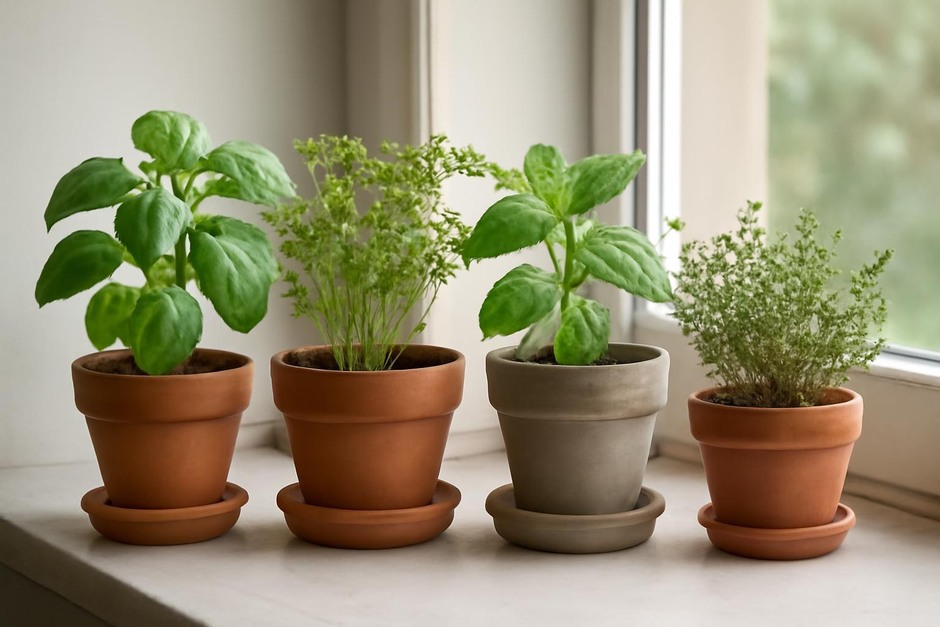
Many of us imagine a row of fragrant pots on the windowsill, ready to supply fresh leaves for cooking and teas. In practice, a few predictable mistakes often turn that pleasant idea into a series of struggling plants. Below is a calm checklist that points out the usual errors and offers straightforward corrections so your indoor herbs can settle in comfortably.
Light and Placement
- Mistake: Placing all herbs on a north-facing sill or in dim corners because it fits the room layout.
Fix: Match plants to light levels. Basil, rosemary, and thyme want bright, direct light—preferably a south- or west-facing window. Parsley and chives tolerate moderate light and can do well slightly farther from the brightest window. When natural light is limited, consider a small full-spectrum grow light on a simple timer rather than moving pots to crowded or draughty spots. - Mistake: Keeping herbs too close to a heat source like a radiator or oven.
Fix: Provide bright light without extreme heat. If heat is unavoidable, place a tray of pebbles with water under the pots to moderate temperature swings and add humidity for more sensitive herbs.
Soil, Containers, and Drainage
- Mistake: Using garden soil or a heavy mix for indoor pots.
- Fix: Use a light, well-draining potting mix labeled for containers. Add a little perlite or coarse sand for extra drainage if the mix seems dense. Herbs generally dislike waterlogged roots.
- Mistake: Choosing pots without drainage holes because they look tidy on saucers or trays.
Fix: Pick pots with drainage or create a layer of coarse material in the bottom and be vigilant about watering. If the aesthetic is a concern, place the plain pot inside a decorative cachepot and remove it to water over a sink. - Mistake: Oversized containers that keep soil damp for too long.
Fix: Select pots that match root size—small to medium containers are usually best for herbs. Repot to a slightly larger container only when roots crowd the current pot.
Watering and Humidity
- Mistake: Watering on a fixed schedule regardless of the soil condition.
- Fix: Water based on feel and weight. Stick a finger an inch into the soil—if it’s dry, water. Alternatively, lift the pot to sense its weight; a dry pot is noticeably lighter. This approach avoids both underwatering and root rot from overwatering.
- Mistake: Letting trays stand full of water beneath pots.
- Fix: Empty saucers after watering unless you’re propagating or need temporary humidity. Standing water invites pests and keeps roots too wet.
- Mistake: Assuming indoor air is humid enough for all herbs.
- Fix: Most Mediterranean herbs are tolerant of typical indoor conditions, but basil and mint appreciate extra humidity. Group pots together, mist occasionally, or use a shallow pebble tray to raise local humidity gently.
Feeding, Pruning, and Pest Awareness
- Mistake: Feeding herbs the same as houseplants with heavy, frequent fertilizer.
- Fix: Use a balanced, water-soluble fertilizer at half strength during active growth months and reduce feeding in slower seasons. Over-fertilizing can make foliage lush but weak and more pest-prone.
- Mistake: Letting herbs flower immediately after planting because blooms are pretty.
- Fix: Pinch back flower buds for leaf production, especially on basil and mint, unless you want seeds or flowers for pollinators. Regular pruning encourages bushier growth and a longer useful harvest.
- Mistake: Ignoring small pest signs until an infestation is obvious.
- Fix: Inspect leaves regularly for aphids, spider mites, or whiteflies. Wipe undersides of leaves, isolate new plants for a few days, and remove heavily affected foliage. For persistent issues, a gentle, non-toxic spray or increased air circulation often helps.
Bringing herbs indoors is an approachable and rewarding way to connect the kitchen with the window garden. By checking placement, soil, watering habits, and basic care routines, you avoid the most common setbacks. Small adjustments—matching light to plant needs, improving drainage, watering by feel, and pruning thoughtfully—make a noticeable difference without complexity.
Start with a few forgiving varieties, observe them for a couple of weeks, and refine your setup from there. A calm, step-by-step approach yields steady progress and more enjoyable cooking with fresh herbs from your own windowsill.