Modern Mini-Larders: What Historic Pantries Teach Small Kitchens Today
Problem: Small kitchens, big storage challenges
Many homes today have compact kitchens with limited cupboard space and small refrigerators. At the same time we shop more frequently and buy packaged goods that don’t always store well. The result: cluttered counters, forgotten ingredients, and more food waste. Historic food-storage rooms—larders, pantries, and root cellars—were designed to keep staples accessible, dry, and cool without constant attention. The question for contemporary households is how to borrow the practical logic of these older systems and make them work in a modern, smaller footprint.
Principles: Timeless ideas behind historic larders
Historic pantries and cellars were guided by straightforward principles developed through trial and habit. Translating those into contemporary practice gives a reliable blueprint for better home food storage.
- Temperature and ventilation: Cool, well-ventilated spaces slow spoilage. Root cellars used earth’s stable temperature, while larders were positioned away from the sun and near shaded walls.
- Dryness and separation: Dry air and separation between items prevented dampness and cross-contamination. Grains, vegetables, and preserved goods were kept in distinct containers.
- Rotation and visibility: Regularly using older items first (first in, first out) reduced waste. Shelving and organization let people see what they had at a glance.
- Simple preservation: Salting, smoking, pickling, and drying extended shelf life using minimal technology.
- Multipurpose containment: Jars, wooden boxes, baskets, and cloth sacks were durable, breathable, and easy to repair—fewer single-use materials meant long-term utility.
Examples: Adapting historic approaches in a modern small kitchen
Below are practical examples of how the old principles can be adapted for contemporary life without a full cellar or a large pantry.
1. The countertop mini-larder
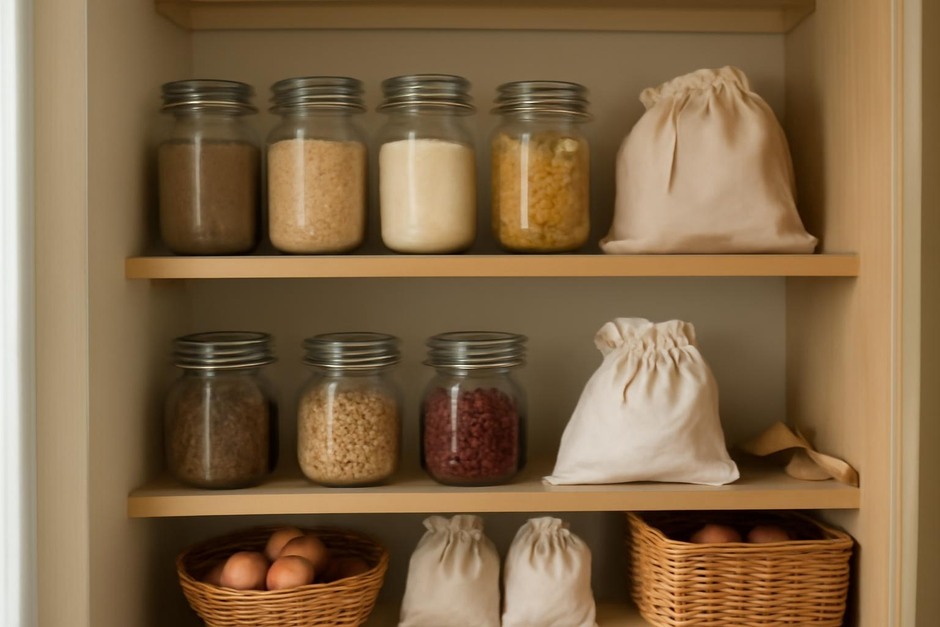
Take a single shelf or a small cabinet and treat it as a dedicated larder space. Use clear glass jars for grains and dried beans, a wooden box for potatoes and onions (kept dark and ventilated), and a basket for citrus or other fruit that benefits from air circulation. Keep a labeled “use-first” shelf for items nearing their best-by date.
2. The cool corner
If you have a north-facing wall or a shaded corner, make it your cool corner for storing root vegetables, apples, and hard cheeses wrapped in waxed cloth. A simple shallow wooden crate lined with straw or cloth mimics the root cellar’s conditions in miniature.
3. Drying and pickling on the windowsill
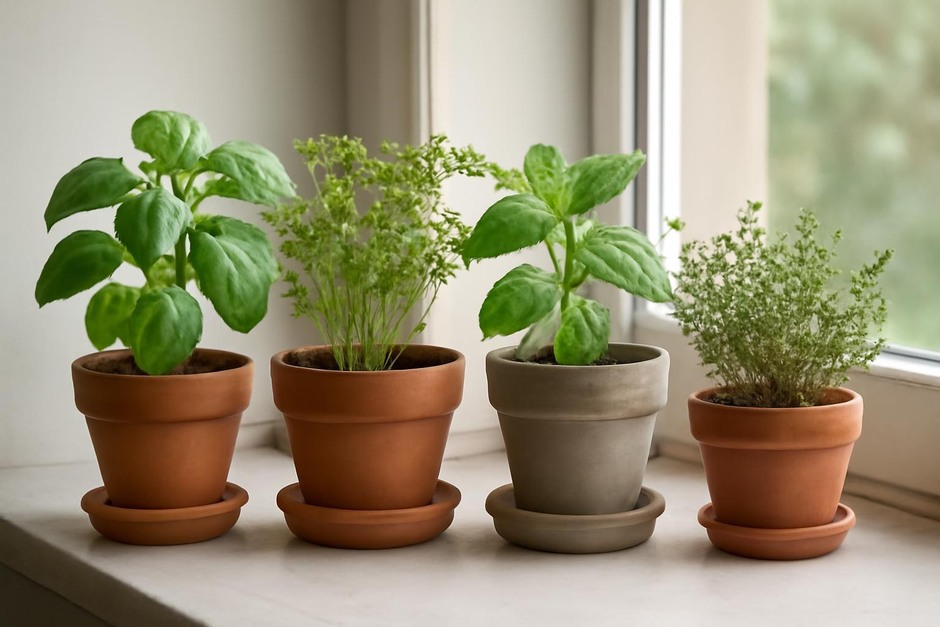
Herbs, chilies, and garlic braid easily on a sunny but ventilated windowsill. Pickling cucumbers or preserving fruit in jam uses small-batch methods that historic households relied on; mason jars function as modern equivalents of older crocks.
4. Portable cold box
Before refrigeration, people used insulated boxes or coolers packed with ice or cold water. Today, a well-insulated cooler placed in a shaded spot can temporarily store drinks or perishables during warm spells—useful for prolonged cooking projects or when extra refrigerator space is needed.
5. Visible rotation system
Label jar dates and arrange shelves so older items are placed at the front. Keep a small chalkboard or slip of paper on the shelf to note opened dates for pickles, sauces, and oils. This habit mirrors the rotation practice in older pantries and prevents forgotten jars.
Practice checklist: Simple steps to create your modern mini-larder
- Designate one shelf, cabinet, or corner as the larder area—consistency matters.
- Group items by type: grains, legumes, root vegetables, preserved goods, and snacks.
- Use glass jars and breathable containers for dry goods; avoid keeping potatoes and onions together in the same closed bag.
- Choose a cool, shaded spot for temperature-sensitive items and add a shallow crate for root vegetables.
- Label jars with contents and date opened; keep the oldest items at the front.
- Set up a small pickling or drying routine—one jar or one bunch of herbs at a time.
- Ventilate the space; if moisture builds, add a small bag of rice or a breathable moisture absorber.
- Inspect the larder weekly when planning meals to minimize waste and keep inventory fresh.
Historic larders evolved from necessity into arranged, sensible systems; adopting a few of their core principles helps modern households simplify, reduce waste, and enjoy better access to staples even in compact kitchens. A thoughtfully arranged mini-larder brings a bit of the past’s steady logic into everyday cooking and living.